

Early Autumn in Mid-August: Noticing Nature’s Subtle Shifts
Craft of Meaning - Design led studio, surface patterns, photography, bespoke art, storytelling
In a year marked by so much heat and so many dry spells, we assumed autumn would be late to show its face. Yet along our journey to the Peak District — and even more once we arrived — we began noticing trees with yellowing leaves and large patches of dry foliage on the ground. Old and young trees were affected, though the younger ones seemed to struggle the most.
At first, we didn’t think too much of it. But an odd feeling lingered.
It was the week of the 11th of August. Not even past mid-August. Far too early for any “autumn palette” to appear.
When we visited Chatsworth Estate, we wandered into the Rock Garden. It immediately brought back memories of our Japan trip in late autumn — the acers, the Japanese maples… except here they were already turning. Their summer greens slipping into fiery reds — as if the season had arrived more than a month ahead of schedule. Beautiful, yes. But now impossible to ignore, given all the other quiet metamorphoses we had noticed.
The most striking moment came on our way back to London. After a long series of winding country roads, we emerged into a stretch where not a single tree looked green. A few patches survived, but the overwhelming colour was yellow. Birch trees in full golden tones, field maples in shades of brown, fallen leaves gathering thick on the ground.
We were speechless.
Had we somehow travelled in time?
The colours felt completely out of place. Only hours before, we had been surrounded by the full abundance of summer blooms.
Back home, we saw the same at our own doorstep — distressed plants, yellowing foliage, early leaf-drop. Even the manicured gardens of local modern building developments were affected. I had to look deeper.
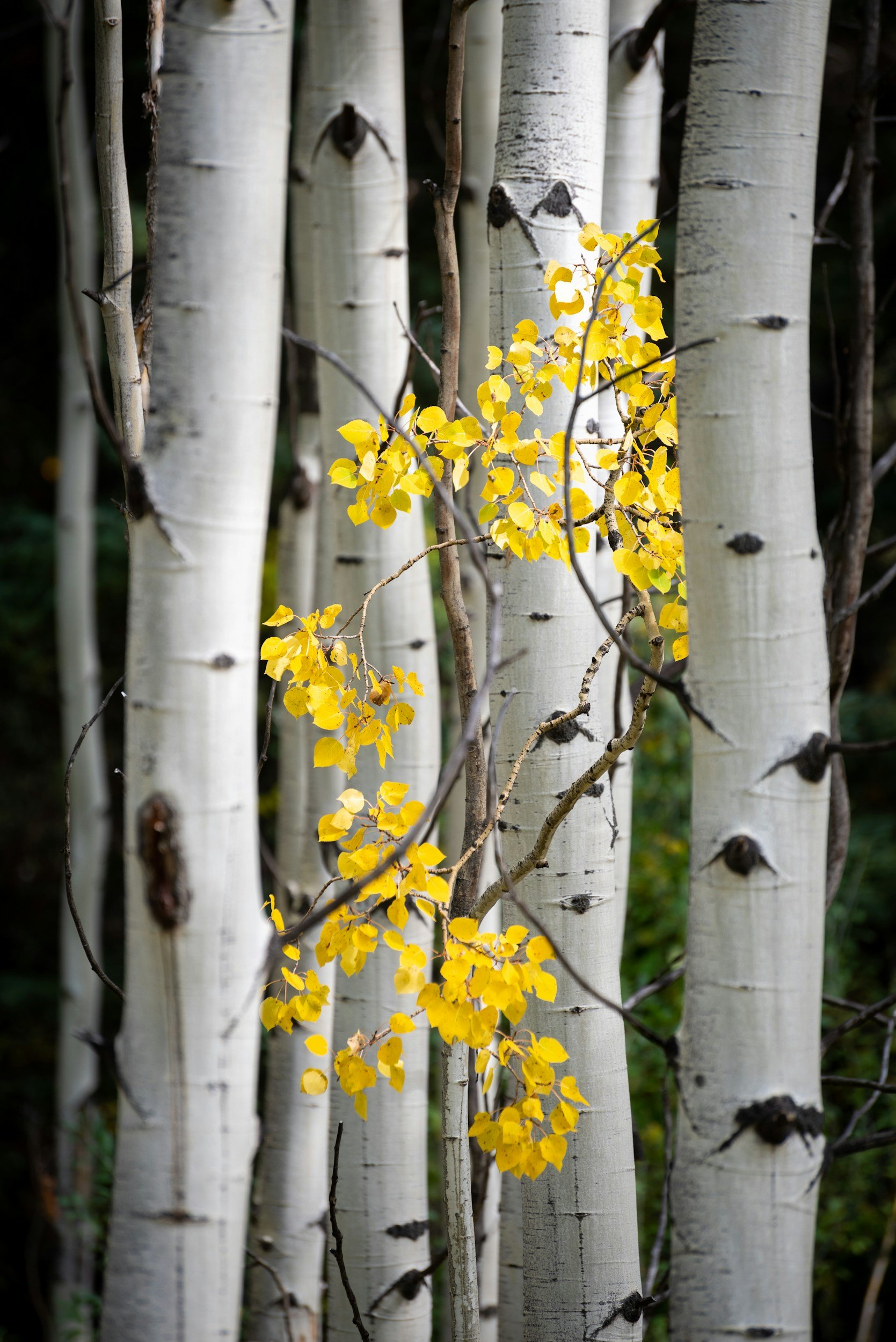
There is a term for this phenomenon: False Autumn — when nature takes on autumn’s appearance long before the season arrives. It is an unmistakable stress response to extreme heat and dryness. A survival strategy. A way for plants to conserve energy. Not necessarily a sign of dying, but certainly not a sign of thriving.
And flora is only half the story.
Fauna feels this sharply too.
Leaves are not the only thing falling early — berries and fruits are dropping prematurely as well. For wildlife relying on these food sources later in the season, this shift can be devastating. Animals cannot immediately adapt to sudden changes in timing, and winter becomes much harder to survive.
This discovery was heartbreaking. And though it was the first year we noticed it so vividly — perhaps because we were so deeply surrounded by nature — reports have been surfacing for several years now, each cycle raising more concern among environmental groups, Trusts, and charities.
For me, this became a kind of quiet wake-up call. A prompt to pay closer attention — true attention — to the subtle changes around us. And an encouragement to support the fragile wildlife that shares our neighbourhoods, especially as we move into autumn and winter when food shortages become real, not abstract.
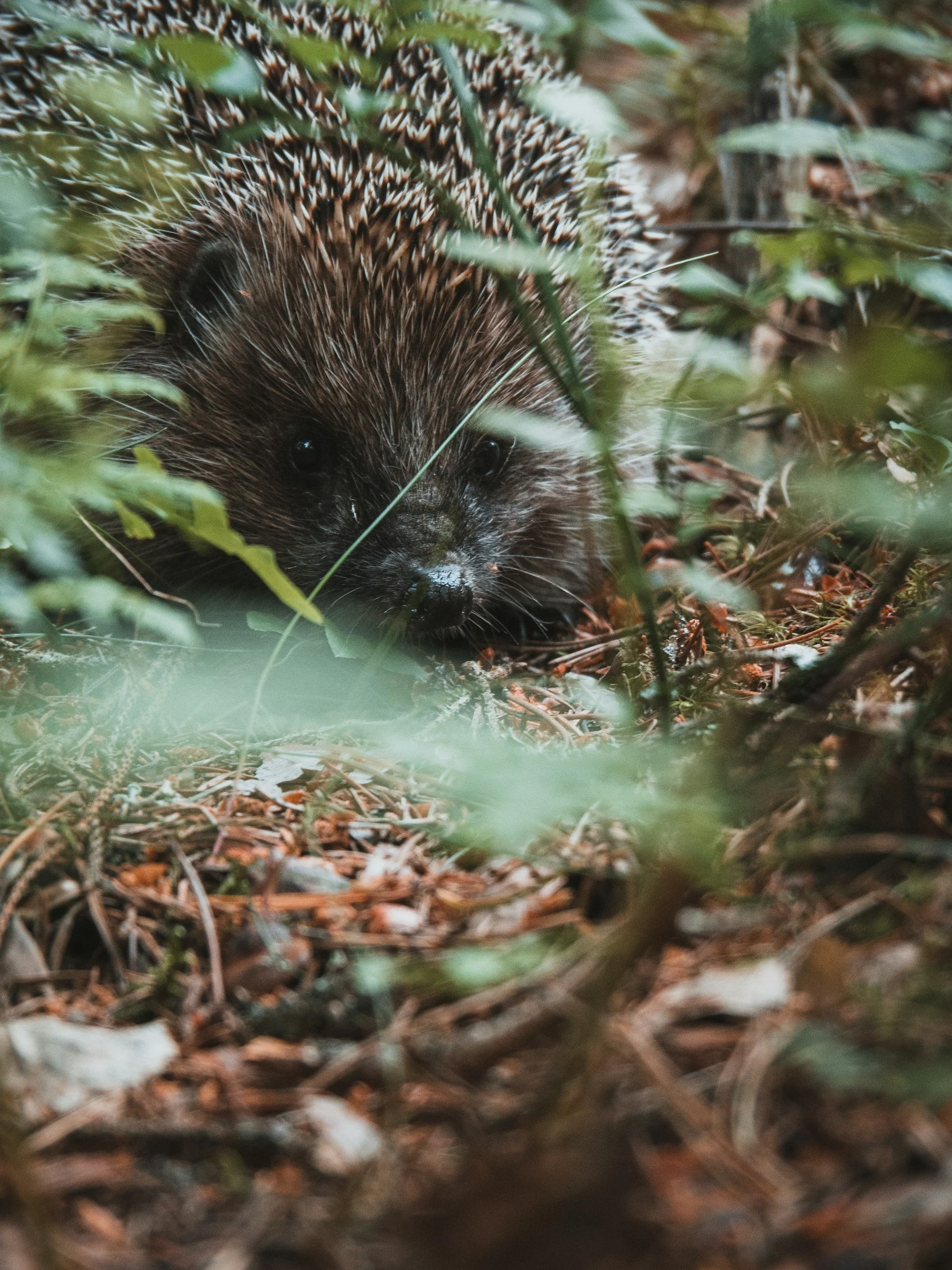
There are many ways — big and small — to support the ecosystems around us. Donating to conservation organisations is one, but so is simply showing care right where you are:
– setting up a bird feeder or a small bird bath,
– leaving a corner of the garden a little wild,
– resisting the urge to tidy away every fallen leaf so insects and hedgehogs have shelter.
Small gestures, but they matter.
Have you noticed similar shifts where you live?
What wildlife calls your area home?
We would love to hear your observations. Get in touch or join our mailing list to continue the conversation.