

The Garden That Raised Me
Craft of Meaning - Design led studio, surface patterns, photography, bespoke art, storytelling
The English gardens we visited this summer — overflowing borders, wandering butterflies, and the soft generosity of August — made me think not only about the long history behind these landscapes, but also about the gardens that shaped me long before I ever set foot in Britain. This piece isn’t about horticulture or history, but about the first garden I ever knew and how those early memories continue to inform the way I see nature, beauty, and abundance today.
The original idea for this piece — to ground the Peak Summer collection — was to write about the English garden as the star and central inspiration. I read several books on the topic, from Roman beginnings to medieval and Tudor gardens, through the sweeping 18th-century landscape movement and into the cottage-garden culture of today. I explored the histories of specific plants and how they travelled to Britain. All of it was fascinating in its own way.
But as I reached the final chapters of the last book, I found my mind drifting somewhere else entirely. No matter how often I tried to return to the formal history of the English garden, I kept being pulled back to my childhood.
Perhaps it’s because, for most people, gardening was never about pleasure alone. For centuries in Britain — and equally so where I grew up — gardens were first and foremost “kitchen gardens.” Even the grand estates with their exotic plantings and ornamental landscapes always kept a patch of land for vegetables, herbs, and fruit. Beauty mattered, but sustenance came first.
My maternal grandparents had such a garden — an allotment on the outskirts of the city. In the early 90s, these plots were given to anyone willing to work the land. To me, it felt enormous, and even now I think it was genuinely big.
There was a dug-out pond and space for two small structures: a little house for shelter from rain or summer heat, and another building for my grandmother’s beloved cow. There were always dogs and cats wandering about, and for a time, even a few chickens.
The land required constant work, and everyone took part, including little me. I weeded vegetable beds, trimmed strawberry “moustaches,” collected beetles off the leaves, and helped harvest the crops — the best task of all.
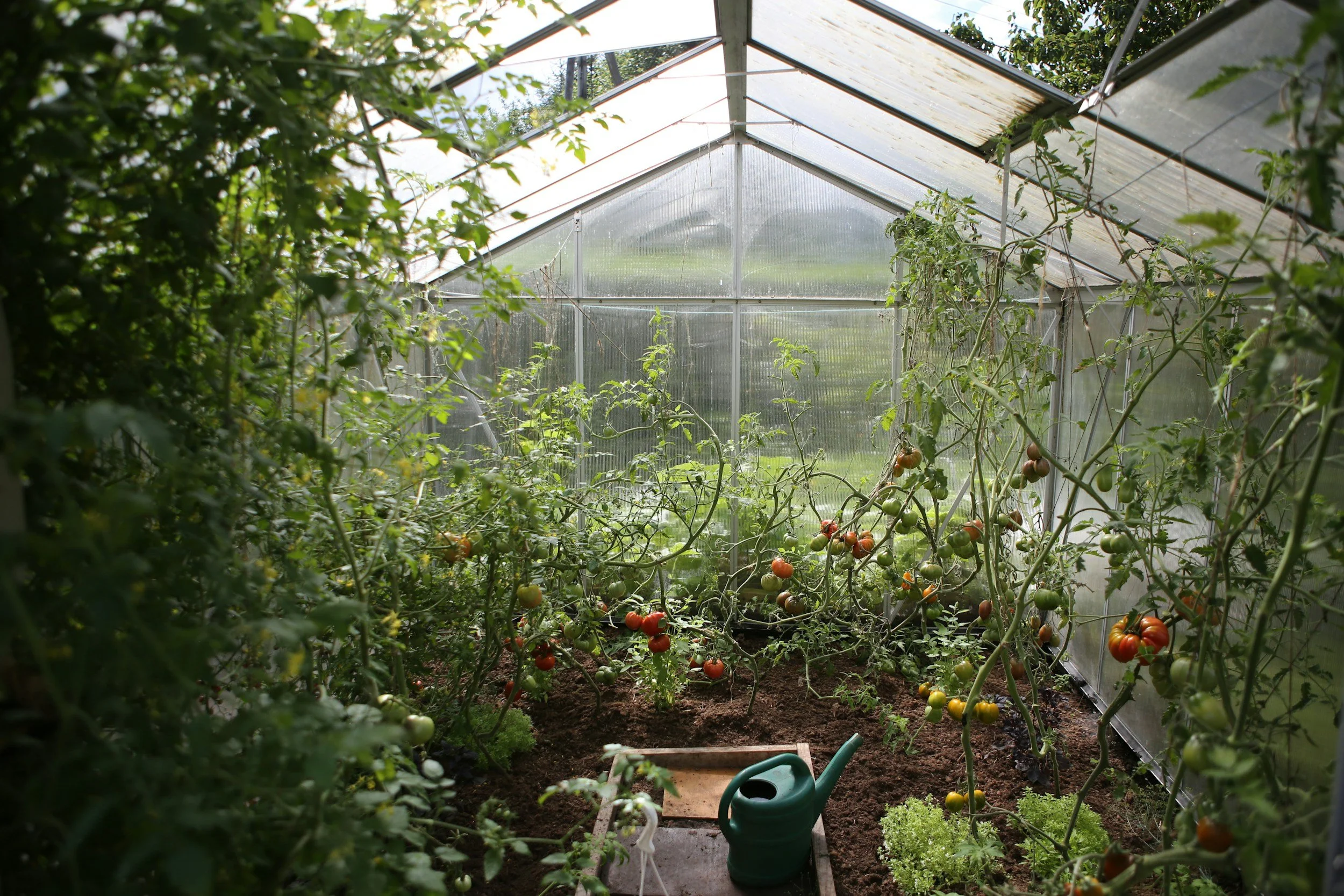
Most of the land was dedicated to potatoes, but we also grew carrots, peas, lettuce, cabbage, beetroot, radishes, onions, cauliflower, various squashes… In the greenhouse, tomatoes and cucumbers climbed and coiled. Fruit trees offered cherries, pears, apples, and golden cherry plums. Raspberry bushes and gooseberries scratched our arms. There were strawberries, too. And herbs — dill, parsley, chives, mint.
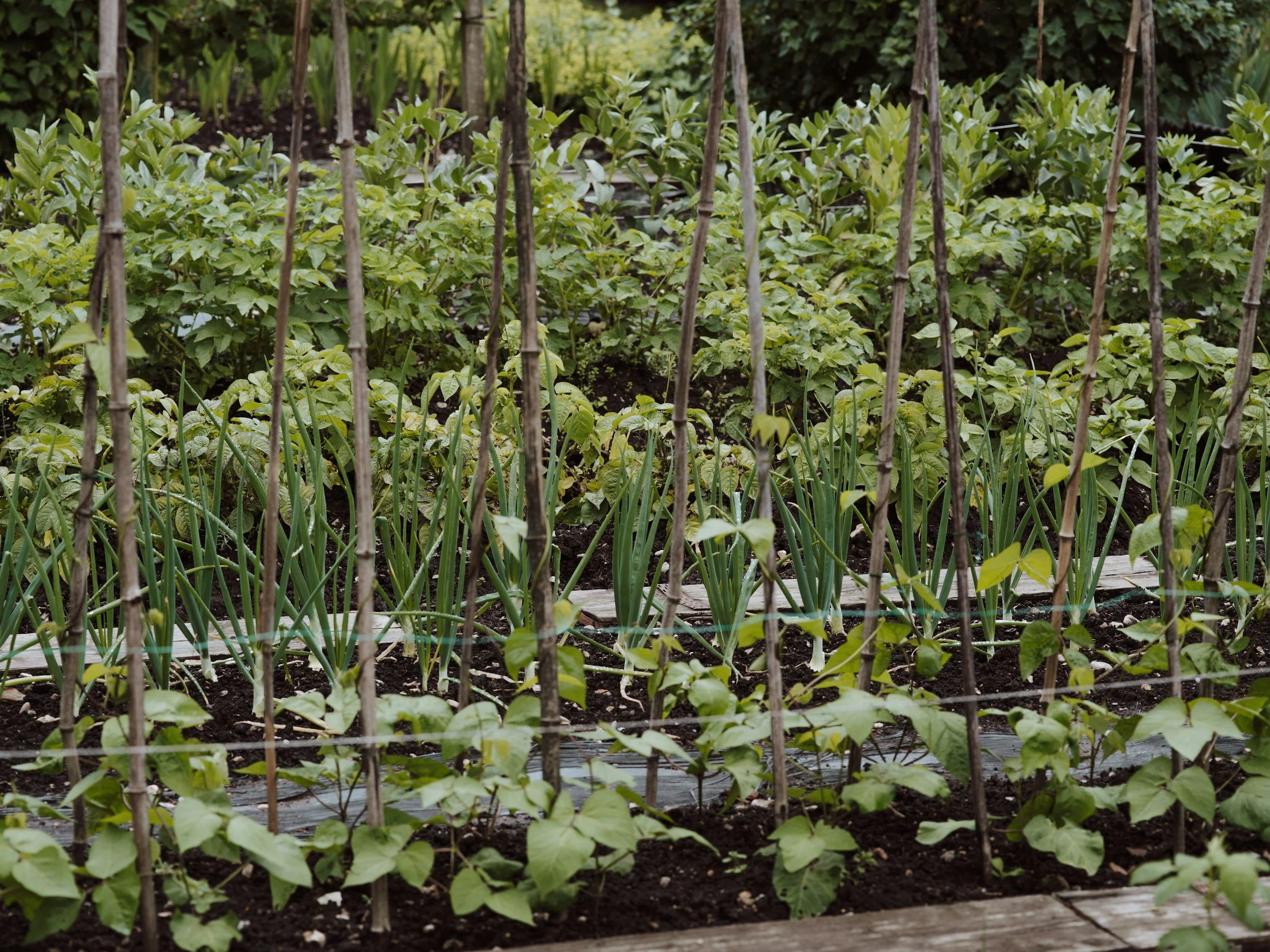
It fed our family through the winter. I don’t recall buying vegetables or fruit from a shop during my childhood.
We grew Jerusalem artichokes as well — though we didn’t eat them, the cow adored them. Their tall stalks made perfect hiding spots for chickens, and their yellow flowers always found their way into the small bouquets I brought home.
There was no formal flower bed, but flowers were everywhere. Peas blossomed. The artichokes bloomed. In spring the cherry and apple trees filled the air with sweetness. Around the plot, in unexpected corners, peonies unfurled their heavy heads, irises stood tall with their sword-like leaves, chamomile nodded, pansies glowed in their many colours, and every spring the red tulips returned like reliable friends. Daffodils marked the earliest turning of the season.
One of my tasks was to pick out dandelions, though I secretly adored them. I made crowns and hair wreaths that left yellow stains on dresses — stains no washing could remove (to my mother’s dismay).
Summers were also for preparing hay for the cow: cutting grass, spreading it to dry, gathering it into fragrant stacks. For my friends and me, these stacks became mountains to climb and roll down — a universe of joy.
My paternal grandmother had an allotment too. I visited less often, but whenever I did, I returned home with an enormous bouquet. She grew chrysanthemums, daisies (her favourite), roses, and magnificent gladioli. She also tended vegetables and fruit, including the most delicious strawberries. The greenhouse there also held tomatoes and cucumbers, and even now, the scent of tomato vine takes me directly back to those two gardens. Whenever I buy tomatoes, I press the vine gently, just to release that memory.
The garden where I spent countless joyful summers no longer exists. The land was reclaimed and sold to developers. Everything was cleared — trees, flowers, soil, all replaced with concrete. Passing by the site now fills me with a quiet ache. So many childhoods today will never know the freedom and harmony those places gave us.
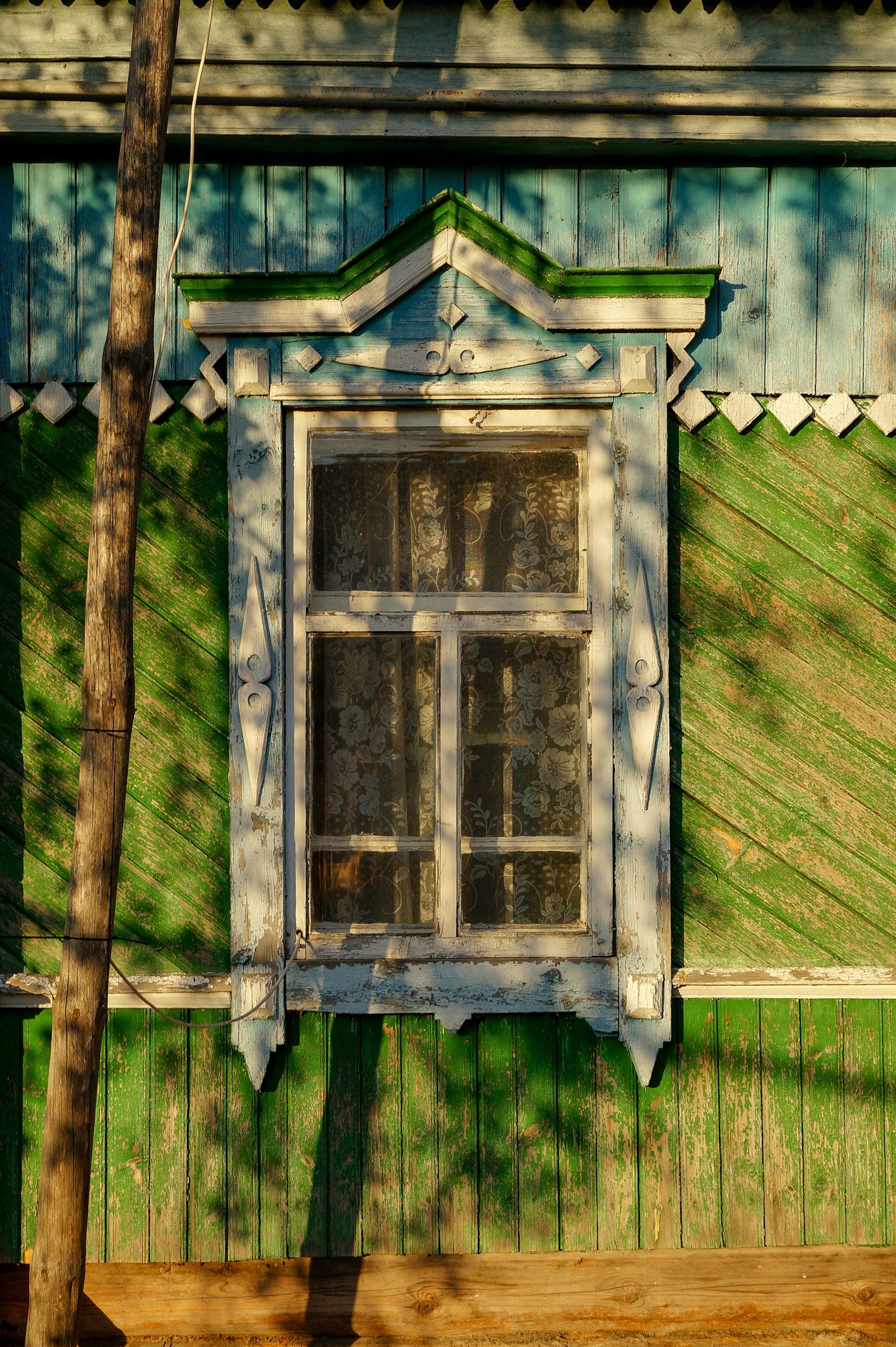
But the second garden still stands. The land was bought and kept in the family. The original little house remains, lovingly cared for. My mother tends it now. There is no longer a working vegetable plot, but fruit trees still bear apples, cherries, and pears. It is a sanctuary — a place that shifts with the seasons, offering rest, grounding, and a kind of peace that feels increasingly rare.
Living in London, far from any such garden, these memories are even more precious. Whenever I pass a house with a small garden, I am instantly transported back — to the smell of soil, the hum of insects, the feeling of belonging to a piece of land that gave us so much.
Whatever its size, a garden is a world of its own — a place where we create and nurture, and are quietly nurtured in return. A reminder of what becomes possible when we work with nature rather than against it.
What places or scents transport you back in time? I would love to hear your stories.
You can discover collection born from this inspiration here.
Get in touch or join our mailing list to continue the conversation.